Savage, MN
Radon Detection and Mitigation Services in Savage, MN
Radon gas moves into a house through the same small gaps that let a draft through an old foundation: hairline cracks in a slab, an open sump pit, the seam where a basement wall meets its footing. It carries no smell and no color, so it can build up for years inside a finished basement or a first-floor bedroom without a single warning sign anyone would notice on their own. A proper test is the only way to catch it, and a mitigation system built for that specific foundation is the only way to stop it, because levels can climb long after a property was last tested safe.
Homes with basements and below-grade living spaces can require particular attention when it comes to radon detection and mitigation services, since soil gas can enter through openings in foundations and collect inside enclosed areas. Cracks in concrete, sump pits, floor drains, and other pathways can provide routes into the home, while finished basements may be occupied regularly without any visible indication of elevated radon. Testing helps identify whether radon is present at concerning levels and provides information needed to determine whether mitigation is appropriate.
For over 10 years, 1st Defense Radon Testing And Mitigation has provided trusted radon detection and mitigation services in Savage, MN, with owner Steve Larsen personally handling every test, system design, and repair from start to finish. That single point of contact means the person who evaluates a home's air is the same person who builds and installs the system, not a crew handed off between departments. From residential and commercial radon testing to sump pit sealing and post-mitigation verification, every job gets Steve's direct, hands-on attention.
About Savage, MN
The city sits along the Minnesota River, incorporated in 1892 under an earlier name before residents renamed it in 1904 after the local owner of a nationally famous racehorse. It stayed a small river-and-rail crossroads through most of the twentieth century, with growth held back for decades by limited road access across the river and no direct bridge nearby.
New road and bridge access eventually opened the area to large-scale building, and Savage's population has more than tripled since 1990. Most residential streets took shape within the last three decades, built out with full basements and modern subdivision layouts rather than the older lot patterns found in many longer-settled communities.
A small stretch of nineteenth-century storefronts near the original townsite still stands apart from the newer subdivisions, a visible reminder of the community's river-town origins. Wetlands and river bottomland remain along the water's edge, giving the city a mix of open natural space and steadily built-out residential neighborhoods stretching across its borders today.
What Full-Basement Construction Means for Radon Mitigation in Savage, MN
Most homes built in Savage since the 1990s share a full basement poured to modern building code, a foundation type that behaves differently under a mitigation system than a crawl space or slab-on-grade structure. A full basement typically has one continuous concrete floor, giving a sub-slab depressurization system a single, unbroken surface to draw from.
That consistency simplifies system design in many newer subdivisions, since a single suction point placed correctly can often depressurize the entire slab evenly. Older construction, including some of the layouts in the community's original downtown-era buildings, sometimes used sectioned foundations poured at different times, which can require more than one suction point for the same square footage.
Sump pits are common in Savage basements built during the area's growth years, and an open pit doubles as an easy entry point for soil gas if it isn't sealed as part of the system. A sealed lid with a vent line tied into the mitigation system keeps that pathway closed without interfering with drainage.
Our Services in Savage, MN
What to Expect During Radon Detection and Mitigation Services in Savage, MN
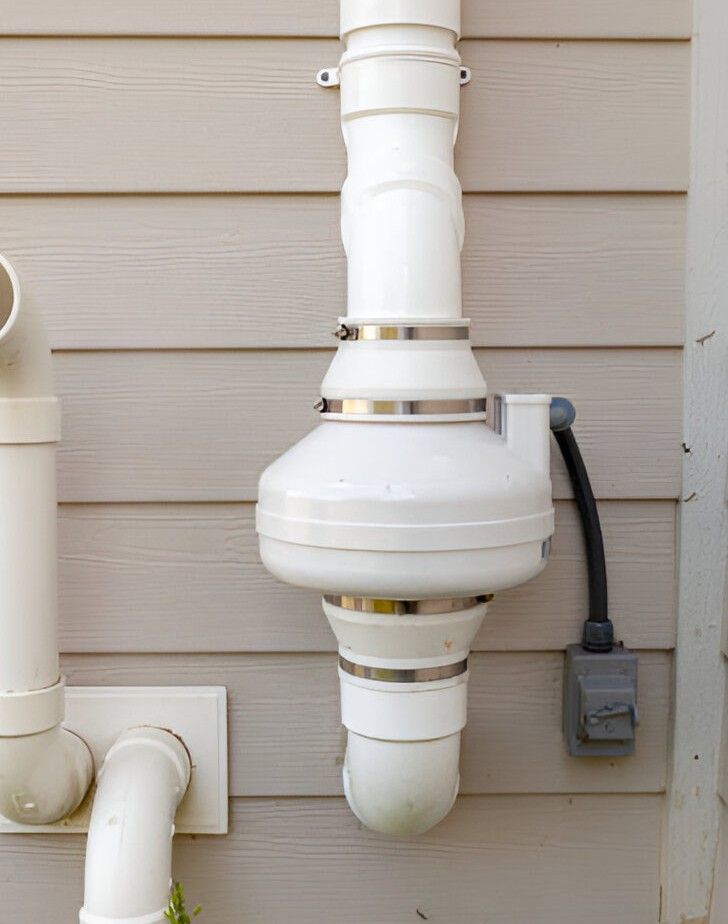
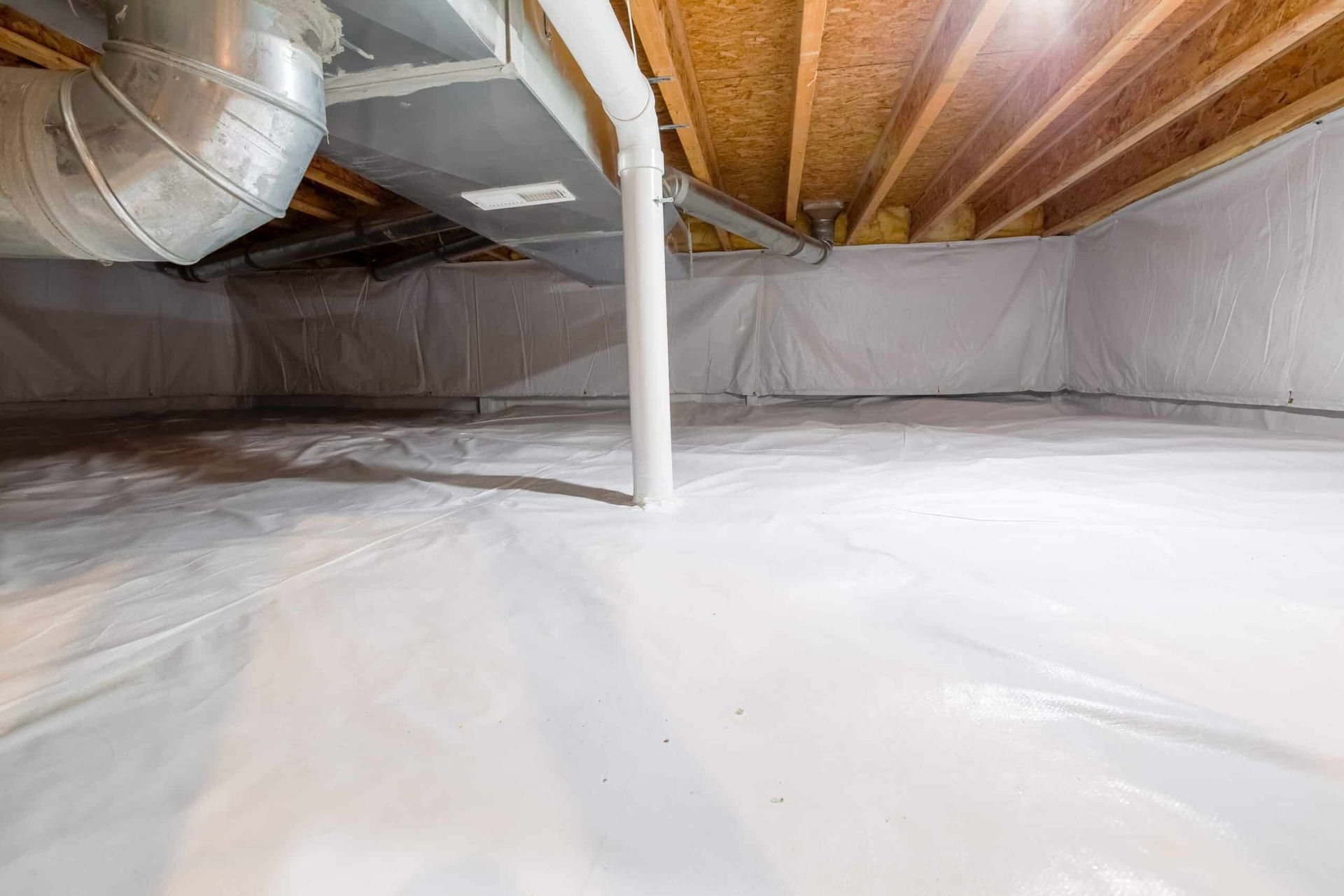
Every radon mitigation system routes PVC pipe from a sealed point in the foundation up through a closet, garage, or exterior wall, ending above the roofline where a continuously running fan vents collected soil gas away from windows and living space. Pipe routing balances performance against keeping a home's finished look intact.
Before any pipe goes in, installers typically seal accessible cracks, floor-wall joints, and openings around plumbing penetrations, since gaps left open elsewhere pull in outside air and reduce how much suction reaches the areas that need it most. A fan sized to the specific foundation's square footage and soil conditions keeps the system running efficiently rather than working harder than necessary.
Once the fan runs, a manometer or U-tube gauge mounted near the pipe shows at a glance whether the system holds proper vacuum, and a follow-up test after installation confirms the finished reading actually dropped below the action level. Skipping that verification is how a homeowner assumes a problem is solved when the system was never actually checked.
Why Savage Residents Trust 1st Defense Radon Testing And Mitigation
We've provided expert radon detection and mitigation services in Savage, MN by treating every reading as data to act on, not a reason to upsell. Steve Larsen evaluates a home's air quality, explains the findings in plain language, and only recommends a mitigation system when the numbers show it's genuinely needed.
This same standard carries through installation. Designing an effective system starts with locating and sealing the floor cracks, pipe penetrations, and open sump pits that let soil gas move indoors, then running suction piping to a continuous-duty fan that vents safely above the roofline rather than toward a window or door.
Steve manages each project personally from the first phone call through the final verification test, so the person who diagnosed the problem is the same one confirming it's fixed. That consistency, built over more than a decade of hands-on radon work, is why homeowners across Savage keep calling back for follow-up testing and system upgrades.
Hire Us! Professional Radon Detection and Mitigation Services in Savage, MN
Scheduling professional radon detection and mitigation services in Savage, MN with 1st Defense Radon Testing And Mitigation starts with a straightforward conversation about your home's layout and testing history, so you know exactly what to expect before any work goes on the calendar. From there, testing always comes first, and a mitigation system only gets recommended when the numbers genuinely call for one.
Getting started only takes a phone call or a message describing your home's basement or crawl space setup. We'll schedule a test, walk you through the reading once it's complete, and lay out a mitigation plan tailored to your specific foundation if the results call for one.
With over 10 years of hands-on radon work behind every recommendation, 1st Defense Radon Testing And Mitigation handles everything from a single diagnostic test to a full mitigation system install, system repair, or ongoing continuous monitoring. Whatever your home needs, Steve personally sees the job through from the first reading to the final verification test.
happy customers in Savage, MN
Steve called me and offered to come out and inspect my radon system and fix my problem within a couple hours of calling me. He replaced my defective fan and will be coming back to complete the rest of the issues next week. He was very prompt and knowledgeable.
Did a great job! Fast service, came in under price, would hire again tomorrow.
Very responsive and competitively priced. Did the job quickly and cleaned up afterwards
1st Defense was able to install the radon system the next day. The post installation radon level was down to 0.2. Very satisfied.
This is one of the best companies we’ve ever worked with! Steve is informative and does great work! Radon mitigation system is outstanding and doing exactly what it’s supposed to be doing!
This company provided prompt and gracious service for considerably cheaper than their competitors. I had them replace the exhaust fan in my radon reduction system. I recommend them highly.
Frequently Asked Questions
1. Is radon a concern for a home without a basement, like a slab-on-grade house?
Yes, radon rises through slab cracks and utility penetrations the same way it moves through a basement floor. We test slab-on-grade homes just as carefully, checking the lowest livable level in the home for an accurate reading.
2. Can renovations like finishing a basement change my home's radon level?
Yes, sealing up a basement during a remodel can trap soil gas that used to escape more freely, sometimes raising levels that tested low years earlier. Testing beforehand and again after a major remodel gives you a clear before-and-after picture.
3. Does a radon mitigation system need electricity to run?
Yes, the fan pulling soil gas from under your foundation runs on standard household power, similar to a bathroom exhaust fan. It's built to run continuously in the background, using little power to keep working.
4. How do you size a mitigation fan for a specific home?
Fan sizing depends on the foundation's square footage and soil type, along with how airtight the basement is. A fan too small won't create enough suction, and one too large wastes energy, so we calculate the right size for your foundation.
5. Can I test my own home for radon instead of hiring someone?
Store-bought kits exist, but placement, timing, and lab handling all affect accuracy, and a misread result can send you chasing a problem that isn't there. Professional testing uses calibrated equipment for a result you can trust.
6. Once a system is installed, does it need ongoing professional check-ins?
A mitigation system runs continuously on its own, but fans wear over time like any mechanical part of a house. Send us a message if your gauge reading looks off or the fan sounds different, and we'll take a look.
7. Can radon come from well water instead of just soil gas?
Soil gas is the main pathway into most homes, but radon can dissolve into groundwater and release into the air during showers if a property uses a private well. Our air testing covers the soil gas pathway; a water test checks the rest.
8. If my test comes back only slightly above the guideline, do I still need mitigation?
The EPA's action guideline is a threshold based on long-term health risk, not a line where danger suddenly appears, so a reading just above it still represents added exposure worth addressing. We'll walk through what your number means.