Roseville, MN
Radon Detection and Mitigation Services in Roseville, MN
Radon is an invisible threat that quietly builds up inside residential spaces. Being odorless, colorless, and tasteless, elevated concentrations can persist in a home for decades without alerting the family living inside. The only reliable method to uncover a radon issue is precise testing, and the sole way to fix it is by installing a specialized system designed to draw soil gas out from underneath the foundation before it leaks into indoor air.
This subterranean risk is widespread across Roseville, Minnesota. Developing rapidly as a popular postwar suburb during the 1950s and 1960s, the city’s residential layout primarily consists of split-levels and ranch homes resting on concrete slabs and basements constructed long before radon mitigation was standard practice. Ground conditions across Minnesota feature uranium-rich glacial till, causing roughly 40% of homes statewide to test above the EPA's recommended action threshold. Winter conditions intensify this vulnerability: tightly sealed homes trap rising soil gases as indoor heating draws air up through foundation gaps.
Backed by more than a decade of specialized industry experience, 1st Defense Radon Testing And Mitigation delivers reliable radon detection and mitigation services throughout Roseville, MN. Our owner and operator, Steve Larsen, personally conducts every diagnostic evaluation, system design, and physical installation to keep dangerous gases away from your living space. If your property has never been analyzed—or if years have passed since your last reading—scheduling a professional test is a vital next step.
About Roseville, MN
Roseville is a city in Ramsey County, Minnesota, sitting just north of Saint Paul along the Highway 36 corridor. The population reached 36,254 at the 2020 census, with a median age over 40 and roughly a fifth of residents 65 or older, in a community that grew steadily from farmland into a dense suburb through the postwar decades.
Rosedale Center, which opened in 1969 as one of the first fully enclosed shopping malls in the state, anchors the city's commercial core, and smaller lakes including Lake Josephine and Lake Owasso dot the residential neighborhoods around it. Roseville's grid of ranch and split-level homes largely dates to that same 1950s and 1960s building boom that shaped so much of the surrounding suburb.
That era of construction, poured before radon testing existed as a common building practice, left thousands of Roseville basements and slabs with the settlement cracks, pipe penetrations, and open sump pits that let soil gas migrate indoors today, often unnoticed for years at a time.
Thermal Pressure and Infiltration: Why Winter Increases Indoor Radon Exposure
The sharp surge in Minnesota radon concentrations during cold weather is caused by thermal dynamics known as the stack effect. As heated interior air expands, rises, and leaks out through upper levels and roof vents, it creates a low-pressure zone at the base of the structure. To balance this atmospheric pressure, the home acts like a vacuum, drawing replacement air upward directly from the soil surrounding its foundation.
Subterranean gas flows through any available vulnerability—including concrete expansion joints, unsealed utility openings, and open sump basins—as this interior negative pressure intensifies. In Roseville’s mid-century housing stock, decades of gradual ground movement have created subtle stress fractures that offer ideal entry paths for this suction force.
This mechanism explains why a property can record safe gas levels during summer airflow conditions yet spike to hazardous readings during peak winter heating months. Bi-annual testing remains critical, and creating sub-slab depressurization while sealing foundation penetrations offers the only permanent defense against thermal soil gas draw.
Our Services in Roseville, MN
Making Sense of the Math: What Your Roseville Radon Score Actually Means
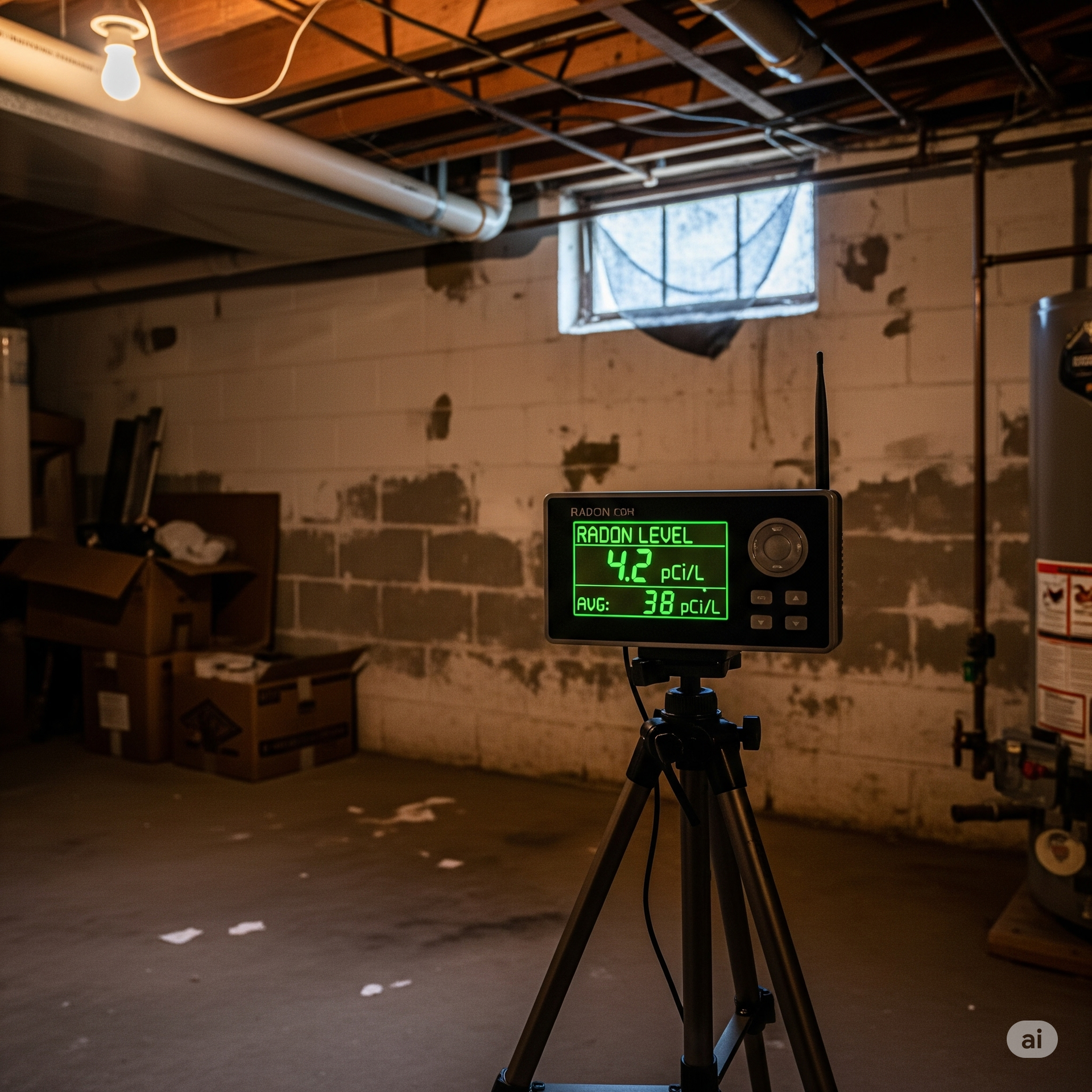
Radon levels are measured in picocuries per liter (pCi/L), and the EPA draws the line at 4.0 as the point where mitigation becomes necessary. That single reading determines your entire plan of action, since radon leaves behind no physical signs, odors, or visible hints to warn you that your home has crossed into dangerous territory.
What many Roseville homeowners miss is that a radon score is a moving target. Levels surge and drop based on barometric pressure, shifting weather, and daily heating habits, meaning a brief spring test might report safe numbers while winter furnace use draws dangerous amounts of soil gas straight into your basement. Finishing a lower level or sealing drafts can also trap gas that previously escaped, driving old readings higher.
Starting with precise digital testing, then engineering a mitigation system tailored to your foundation's exact footprint, is the only reliable way forward. Running a verification test after the system is installed ensures the fan is doing its job, giving you absolute certainty before anyone considers the project finished.
Why Roseville Residents Trust 1st Defense Radon Testing And Mitigation
Our approach centers on empirical data rather than high-pressure sales tactics, treating radon control as a precise technical challenge. As a licensed provider serving Roseville, MN, Steve evaluates indoor air readings, explains the findings clearly, and recommends structural mitigation only when data indicates a genuine health risk.
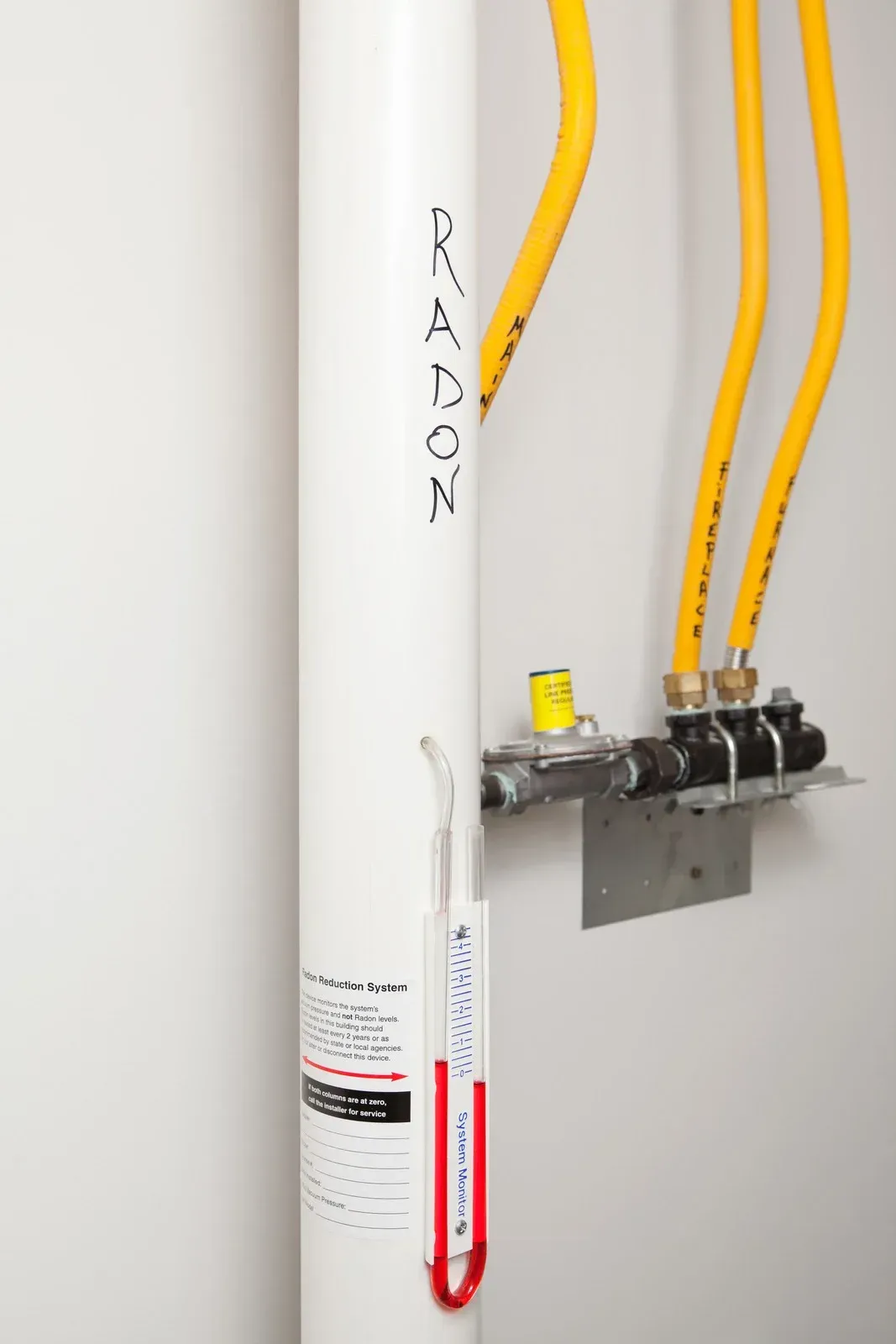
Excellence is reflected in our meticulous installation process. Designing an efficient mitigation system requires identifying and sealing concealed floor gaps, pipe joints, and open sump basins before installing suction piping and a continuous-duty exterior fan to vent soil gases safely above the roofline.
Steve personally manages each project from start to finish. Licensed by the Minnesota Department of Health, our operations meet or exceed all state safety standards. If you want an accurate, objective assessment of your Roseville home's indoor air quality, setting up an initial test is the best place to begin.
Hire Us! Professional Radon Detection and Mitigation Services in Roseville, MN
Verifying your home’s radon levels before cold weather sets in offers crucial peace of mind. As an experienced radon service provider in Roseville, MN, we offer precise testing along with clear, transparent evaluations of your indoor air quality.
If diagnostic tests reveal elevated gas levels, 1st Defense Radon Testing And Mitigation designs an abatement system tailored to your foundation style, seals structural entry points, and verifies air quality improvements using post-installation testing once the system fan is active. Contact us to discuss your home's specific layout and schedule an evaluation before work starts.
Our full suite of services includes diagnostic testing, active system installation, real-time monitoring, real estate inspection reports, and repair of aging systems across the entire Roseville area. Contact us through our website to put over a decade of hands-on radon mitigation expertise to work for your home.
happy customers in Roseville, MN
Steve called me and offered to come out and inspect my radon system and fix my problem within a couple hours of calling me. He replaced my defective fan and will be coming back to complete the rest of the issues next week. He was very prompt and knowledgeable.
Did a great job! Fast service, came in under price, would hire again tomorrow.
Very responsive and competitively priced. Did the job quickly and cleaned up afterwards
1st Defense was able to install the radon system the next day. The post installation radon level was down to 0.2. Very satisfied.
This is one of the best companies we’ve ever worked with! Steve is informative and does great work! Radon mitigation system is outstanding and doing exactly what it’s supposed to be doing!
This company provided prompt and gracious service for considerably cheaper than their competitors. I had them replace the exhaust fan in my radon reduction system. I recommend them highly.
Frequently Asked Questions
1. What is the difference between a single radon test and continuous monitoring?
A standard test measures radon over a short window, usually a few days, giving a snapshot reading. Continuous monitoring tracks levels day to day, which catches seasonal swings a short test can miss and gives Roseville homeowners a fuller picture of exposure.
2. Do I need a radon test before selling my home?
Many buyers and their agents request one during a real estate transaction, and a pre-purchase inspection gives both sides clear, documented information. Testing ahead of listing your Roseville home can prevent a surprise that stalls a sale later on.
3. What role does crawl space sealing play in radon control?
An open or poorly sealed crawl space gives soil gas another route into a house, working alongside cracks in a basement slab. Sealing and encapsulating that space closes off one more pathway and often improves a mitigation system's overall performance.
4. Why would a sump pit need to be sealed as part of mitigation?
An open sump pit acts like a chimney for soil gas, pulling it straight up into the basement air. Sealing the pit and routing it into the system closes that gap, a step many older Roseville installations were never given.
5. How do you know if an existing mitigation system needs repair?
A fan that has gone quiet, a warning gauge reading outside its normal range, or a level that creeps back up after years of staying low are all signs worth a look. We diagnose the actual cause rather than swapping parts blindly.
6. Do you test radon levels in commercial buildings, not just homes?
Yes, commercial radon testing follows the same core principle as residential work, though the layout and ventilation of an office or retail space change how the measurement gets taken. Tenants deserve the same clear answer a homeowner gets.
7. What actually happens during a radon test visit?
We place calibrated testing equipment in the lowest lived-in level of the home and let it run undisturbed for the recommended period. Once it is complete, we read the results and explain exactly what the number means for your house.
8. My radon system has been running for years. Does it ever need attention?
Yes, fans wear out, and settings can drift over time, so periodic checks keep an older system performing the way it did originally. Send us a message if your system is getting up in years.