Richfield, MN
Radon Detection and Mitigation Services in Richfield, MN
The most dangerous thing in a Richfield basement is the one you cannot see, smell, or taste, and it works hardest in the dead of winter. Radon is a radioactive gas that seeps up out of the soil through cracks in a slab, and in a Minnesota home sealed tight against the cold, the heating system itself pulls it in. Anyone looking into radon detection and mitigation services in Richfield, MN, is really dealing with a threat that gives no warning until a test finds it.
Richfield is unusually exposed to this, for reasons of both geology and construction. Minnesota soils are radon-prone enough that roughly two in five homes across the state test above the EPA's action level of 4.0 picocuries per liter, and Richfield's housing stock is dominated by post-war homes built directly over basements and slabs that have had seventy years to crack and settle. That combination, radon-heavy ground under aging concrete, is exactly the setup that puts gas into a basement. Reliable radon testing and mitigation in Richfield, MN, starts from the assumption that the risk is likely present, not that it is unusual.
We are 1st Defense Radon Testing And Mitigation, owned and operated by Steve Larsen, licensed by the Minnesota Department of Health, with over 10 years of hands-on experience. Steve personally handles every test and installation, and most mitigation systems go in within a single day. If you have never tested, or your last test is years old, that is worth doing now.
About Richfield, MN
Richfield, MN, is a city in Hennepin County, an inner-ring suburb bordered by Minneapolis to the north and the Minneapolis–Saint Paul International Airport to the east. The population was 36,994 at the 2020 census, and the community incorporated as a village in 1908 after being settled in the 1850s.
Wood Lake Nature Center, a 150-acre park that opened in 1971 as one of the nation's first urban nature centers, and the historic Riley Lucas Bartholomew House, listed on the National Register of Historic Places, are both maintained within the city. Richfield calls itself "The Urban Hometown."
Best Buy, the country's largest electronics retailer, is headquartered in Richfield and is the city's largest employer. The great majority of the city's roughly 10,000 single-family homes were built in the 1950s, which gives Richfield its dense, established grid of postwar neighborhoods.
The Winter Stack Effect: How Cold Weather Pulls Radon Into the House
The reason radon peaks in a Minnesota winter is a piece of building physics called the stack effect. Warm air inside a heated house rises and escapes through the upper floors and roof, and that rising air has to be replaced, so the lower level of the house falls into slight negative pressure. A home under negative pressure does not just sit there; it actively draws air in from wherever it can, including up through the soil beneath the slab.
That soil gas is where the radon rides in. Every crack in the basement floor, every gap around a pipe penetration, the joint where the slab meets the wall, and an open sump pit all become intake points, and the colder and longer the winter, the harder the house pulls. A 1950s Richfield, MN basement, with decades of settlement cracks and a slab poured before radon was on anyone's radar, offers plenty of pathways. This is why a home can test low in summer and dangerously high in January.
The consequence of ignoring it is years of exposure to a gas the EPA calls the second leading cause of lung cancer. The correct response is to test, and if levels are high, to install a mitigation system that vents the soil gas before it ever enters, which is the work we do across Richfield, MN.
Our Services in Richfield, MN
Reading the Number: What pCi/L Actually Means and Why One Test Is Not Enough
Radon is measured in picocuries per liter, written pCi/L, and the EPA sets 4.0 pCi/L as the level at which you should act. That single number is the whole basis for the decision, so it is worth understanding: it is a measure of how much radioactive gas is in the air you breathe at home, and there is no visible symptom that tells you where you fall.
Here is what most people miss. Radon levels are not fixed; they swing with the season, the weather, and how the house is being used, which is why a two-day test taken in mild weather can read low while the real winter average is well above the action line. It is why testing every two years is recommended, and why a home that once tested fine can climb after a basement is finished, a slab cracks further, or the household changes how it heats and ventilates.
The right approach is to test properly, act on the number if it is high, and confirm the fix with post-mitigation testing rather than assuming. Walking a homeowner through exactly what their result means is where every job with 1st Defense Radon Testing And Mitigation in Richfield, MN begins.
Why Richfield Residents Trust 1st Defense Radon Testing And Mitigation
We start from the number, not from a sales script, because radon is a measurement problem before it is anything else. Steve tests the home, explains what the reading actually means for this house in this climate, and only recommends a system when the level warrants one, then confirms it worked with a follow-up test.
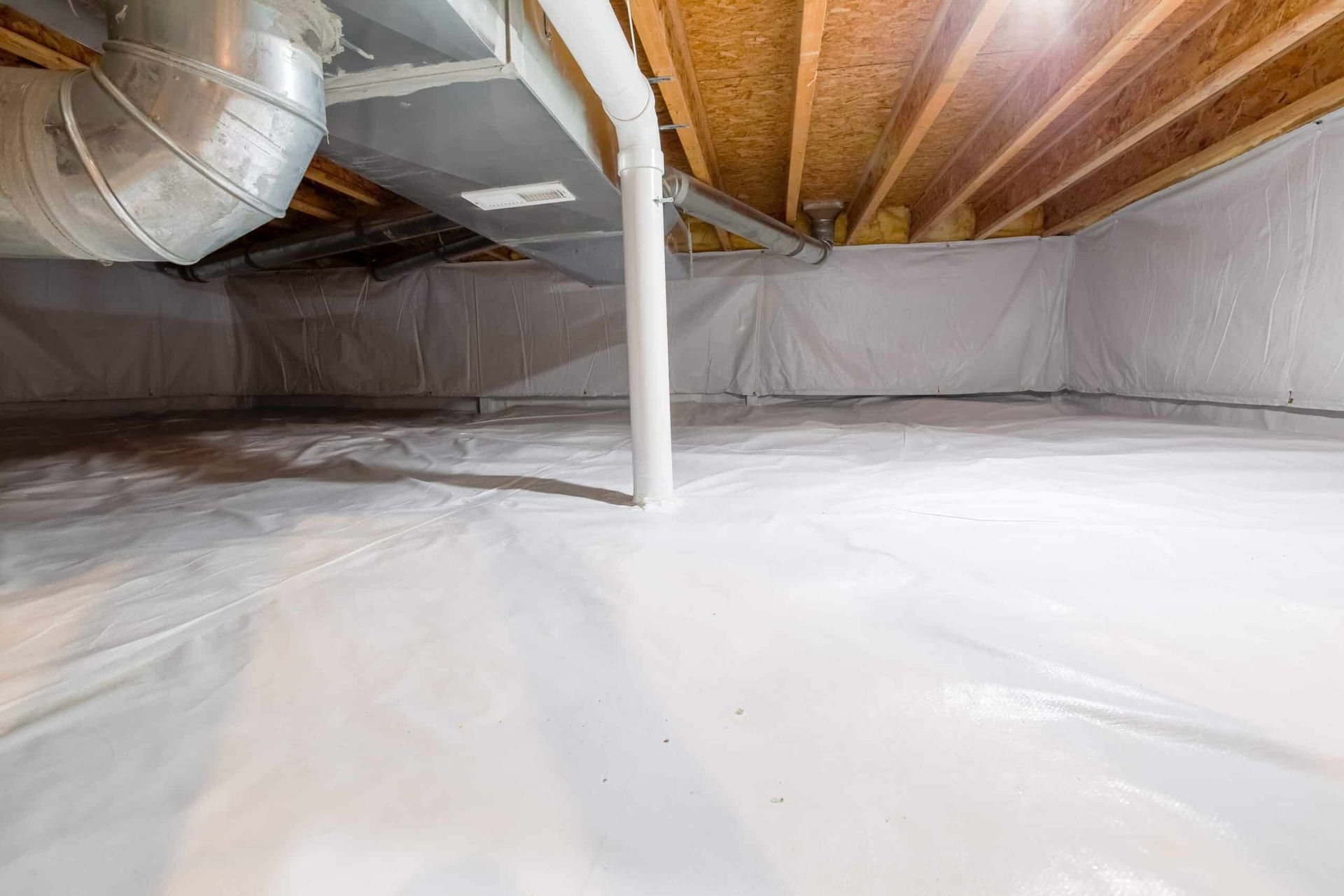
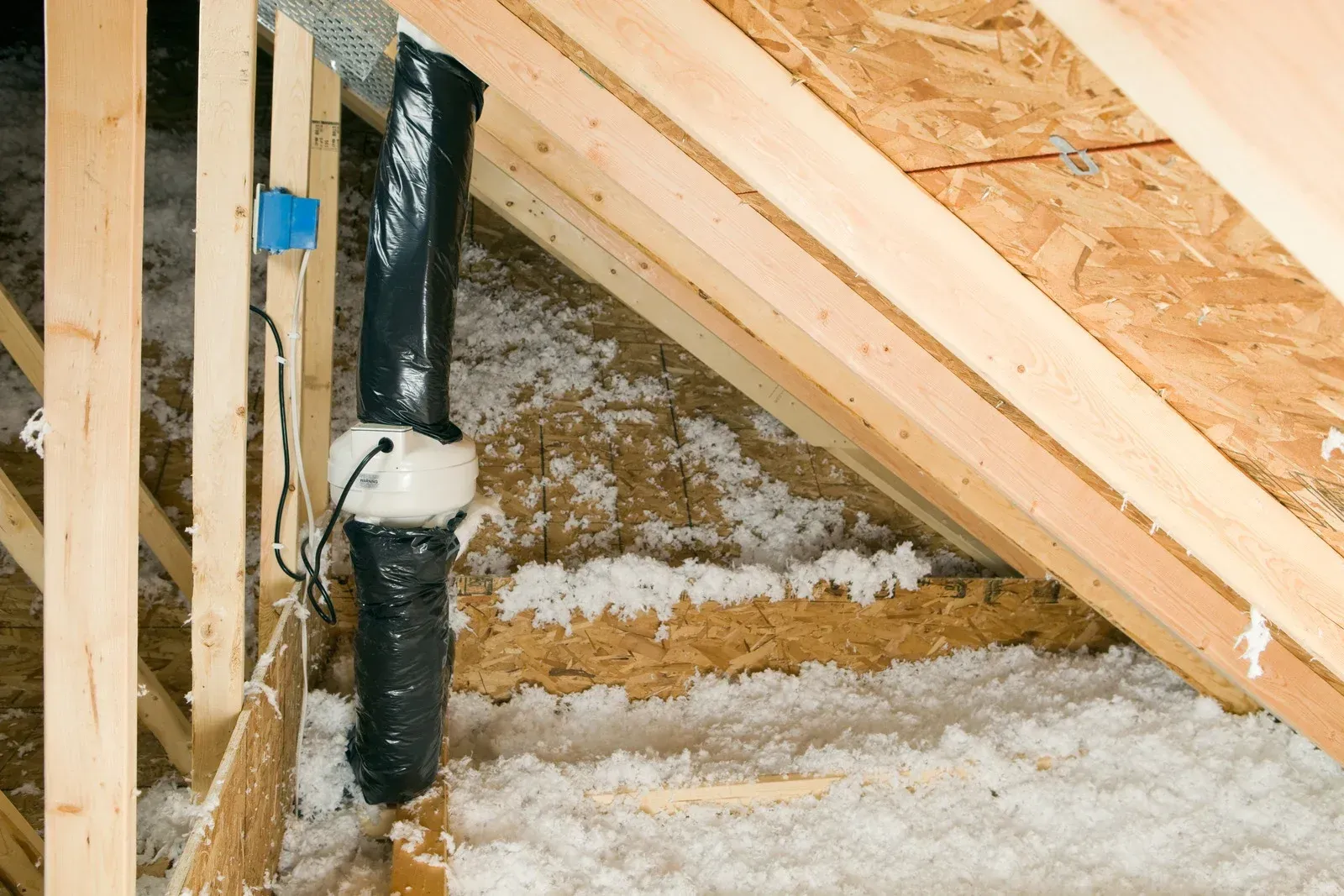
The work itself rewards the care that a rushed installer skips. An effective mitigation system depends on finding and sealing the real entry points, the slab cracks, the pipe penetrations, and the open sump before routing a fan and vent stack to draw the soil gas out from under the foundation and expel it above the roofline. Miss a major pathway, and the system runs while the radon keeps finding another way in. Steve handles every installation personally and holds a Minnesota Department of Health license, so the work meets the state's standard, not a shortcut.
Most systems go in within a single day, and we place the components to be as unobtrusive as the performance allows, tucked into a garage or run neatly up an exterior wall wherever we can. If you want to know where your Richfield, MN, home actually stands, testing is the first and easiest step.
Hire Us! Radon Detection and Mitigation Services in Richfield, MN
Know your number before winter does the pulling. The simplest, cheapest move a homeowner can make is a professional radon test in Richfield, MN, because you cannot manage a risk you have never measured, and the gas is at its worst in the season you are indoors the most.
When we test, you get a clear result and a plain-language explanation of what it means. If the level is high, we design a mitigation system matched to your foundation, seal the real entry points, and confirm the drop with post-mitigation testing, usually with the installation itself finished in a single day.
Testing, mitigation, monitoring, pre-purchase inspections, or a repair to a system that has quit working, we cover the full range. For trusted radon mitigation services in Richfield, MN, get in touch and take the first step toward cleaner air.
happy customers in Richfield, MN
Steve called me and offered to come out and inspect my radon system and fix my problem within a couple hours of calling me. He replaced my defective fan and will be coming back to complete the rest of the issues next week. He was very prompt and knowledgeable.
Did a great job! Fast service, came in under price, would hire again tomorrow.
Very responsive and competitively priced. Did the job quickly and cleaned up afterwards
1st Defense was able to install the radon system the next day. The post installation radon level was down to 0.2. Very satisfied.
This is one of the best companies we’ve ever worked with! Steve is informative and does great work! Radon mitigation system is outstanding and doing exactly what it’s supposed to be doing!
This company provided prompt and gracious service for considerably cheaper than their competitors. I had them replace the exhaust fan in my radon reduction system. I recommend them highly.
Frequently Asked Questions
1. Why is radon worse in a Richfield, MN, winter?
The stack effect. Warm air rising in a heated Richfield, MN, home pulls the lower level into negative pressure, which then actively draws radon-laden soil gas up through the slab.
2. How much radon is too much?
The EPA action level is 4.0 pCi/L. Roughly two in five Minnesota homes test above it, so a Richfield, MN home testing high is genuinely common, not at all unusual.
3. Why should I test if my Richfield, MN, house tested fine before?
Because levels shift over time. Testing every two years is recommended, since a Richfield, MN home can climb after a slab cracks, a basement is finished, or heating habits change.
4. How long does a mitigation system take to install?
Usually a single day. Steve personally handles every Richfield, MN installation, sealing the real entry points and routing a fan and vent stack to draw the soil gas back out.
5. Is 1st Defense Radon Testing And Mitigation licensed?
Yes, by the state. We are licensed by the Minnesota Department of Health, so the work on your Richfield, MN home meets the state's standard rather than some quick shortcut.
6. Why do 1950s Richfield, MN homes have a radon problem?
Age and construction. Most Richfield, MN homes were built in the 1950s over slabs poured before radon was known, and seventy years of settlement cracks now create the entry points.
7. Do you confirm the system actually worked?
Yes, always. We follow every Richfield, MN installation with post-mitigation testing to confirm the radon level actually dropped, rather than just assuming the system fixed the whole problem by itself.
8. Is radon really that dangerous in Richfield, MN?
Yes. The EPA calls radon the second leading cause of lung cancer, and because it is invisible and odorless, a Richfield, MN home gives no warning without a proper test.